
AIM-D e.V. freut sich, das die GS1 Germany GmbH, die bereits seit Jahren das AIM-Netzwerk als Allianzpartner unterstütz hat, mittlerweile Vollmitglied geworden ist. Dies wird zu einer noch engeren Verzahnung beider Partner und entsprechenden Synergie-Effekten führen – z.B. in den Feldern Standardisierung und Digital Product Passport (DPP). GS1 Germany hilft Unternehmen aller Branchen dabei, moderne […]
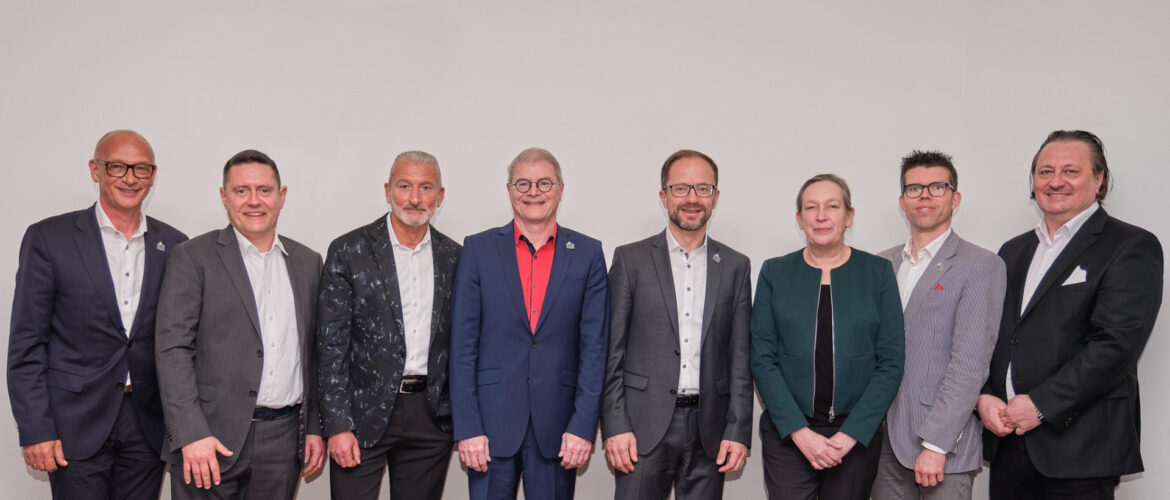
Anlässlich des AIM-Frühjahrsforums 2024 und der AIM-D Mitgliederversammlung am 11.04.2024 in der HellermannTyton-Academy in Tornesch bei Hamburg haben die AIM-D Mitglieder einen neuen Vorstand gewählt (auf dem Foto von links nach rechts): Frithjof Walk, Schneider-Kennzeichnung GmbH (Vorstandsvorsitzender) Oliver Huther, Sick Vertriebs-GmbH Klaus Dargahi, smart-TEC GmbH & Co. KG Oliver Pütz-Gerbig, Leuze electronic GmbH + Co. […]
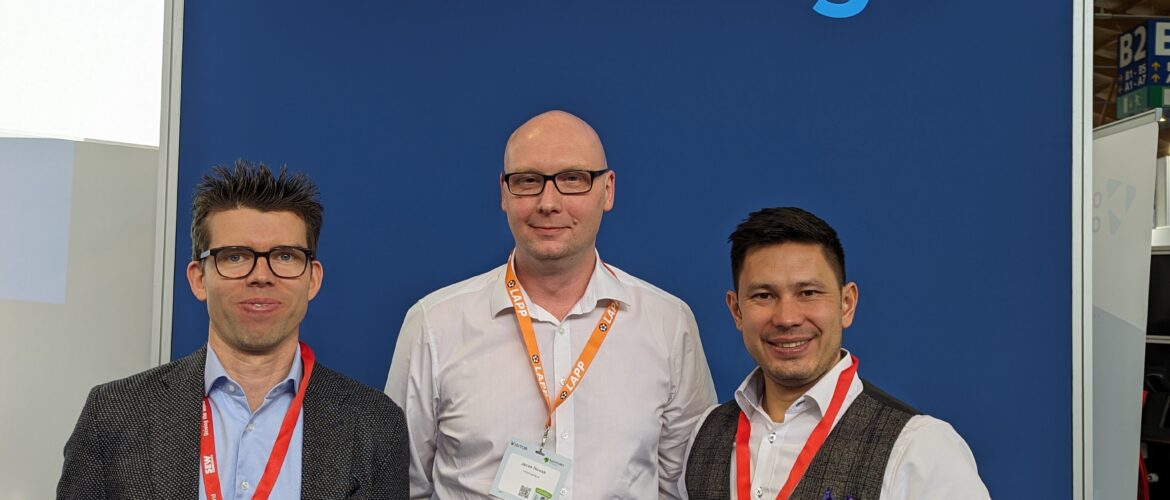
Im Rahmen der all about automation (aaa) vom 05.-06.03.2024 in Friedrichshafen haben AIM-Experten erfolgreich zum Vortragsprogramm beitragen: Olaf Wilmsmeier (Wilmsmeier Solutions), Jacek Nowak (Microsensys) und Florian Geith (smart-TEC) haben die Rolle der AIDC-Technologien in der Automatisierung zur Diskussion gestellt. Weitere aaa-Termine finden Sie hier!
Für alle an AIM-D Interessierten: Das AIM-D-Mitgliederverzeichnis 2024 liegt mittlerweile in seiner umfassend Version in Deutsch und in einer Kurzfassung auch in Englisch vor: DE (long version): AIM-D-Mitgliederverzeichnis-2024 EN (short version): AIM-D-Members-2024 Weitere AIM-Broschüren wie z. B. das Year in Review 2023 finden Sie auch in unserem Download-Center!
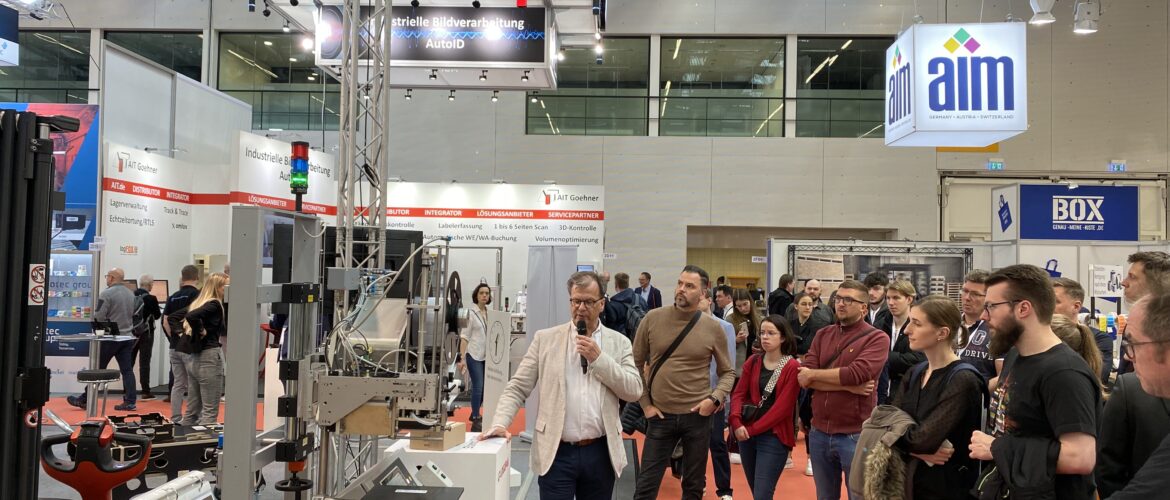
AIM Tracking & Tracing Theater (T&TT) > Halle 2 / B07: Folgende Partner führen Ihnen live AutoID at work vor: Balluff, BOX ID, Datalogic, d-fine, Energous, Logopak, Omlox (Flowcate) und Zigpos. Täglich erwarten Sie drei Vorführungen: 10.30 Uhr / 12.30 Uhr / 14.30 Uhr. Jede Vorführung dauert rund 30 Minuten. Gezeigt wird ein durchgängiger – […]
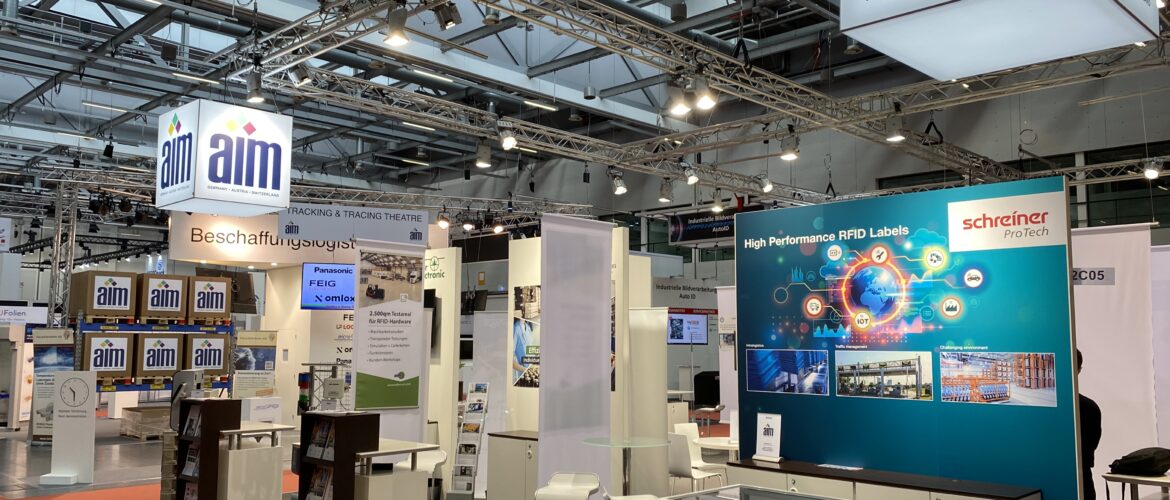
AIM-Gemeinschaftstand (Halle 2 / B05): Hier begrüßen Sie folgende AIM-Mitglieder: Deister Electronic, Dynamic Systems, Etifix, Gustav Wilms, Joaneo (Victor Buck Services), MetalCraft, Mircosensys, Schneider Kennzeichnung, Schreiner Group, S+P Samson und Tadbik. … und nach den Fachgesprächen auf dem AIM-Gemeinschaftsstand besuchen Sie eine der drei täglichen Vorführungen im Tracking & Tracing Theater (B207) direkt gegenüber …
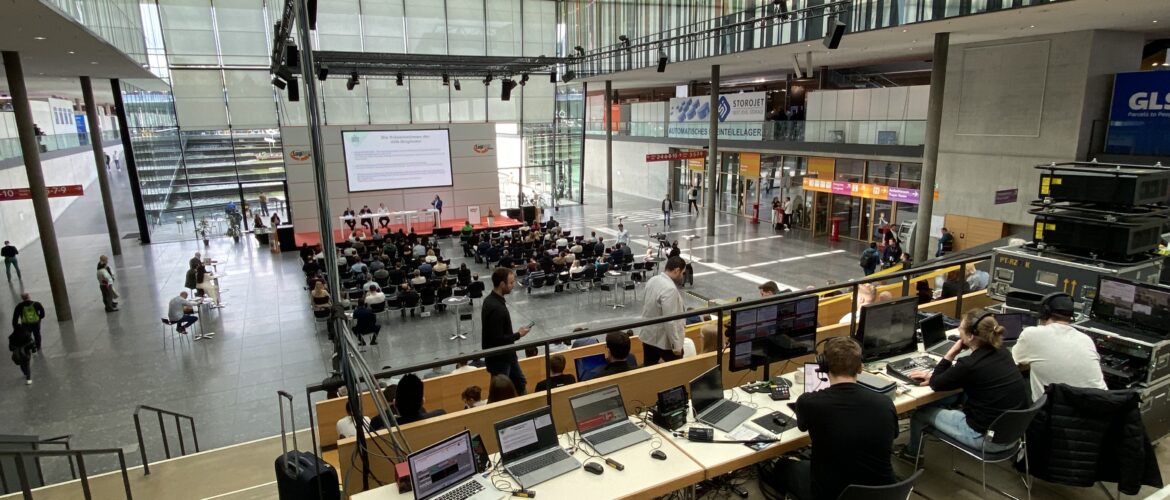
AIM-ident-Expertenforum: Über den Zusammenhang von AutoID- / AIDC-Technologien in Logistik und der Digital Supply Chain referieren am 21.03.2024 um 13.00 Uhr im Foyer Ost: Deister Electronic, Inotec und Microsensys > Infos / Programm Weitere Infos: info@aim-d.de
Tageos ist ein weltweiter Marktführer bei der Entwicklung und Herstellung von RFID-Inlays und -Tags. Das Unternehmen bietet ein umfassendes Portfolio an hochwertigen, innovativen und nachhaltigen Produkten in den Bereichen UHF, HF und NFC. Tageos ist nach ISO 9001:2015 und ISO 14001:2015 zertifiziert, verfügt über die ARC-Qualitätszertifizierung des RFID-Labors der Auburn University und ist mit einer […]
Die Think WIOT Group – Verlag & Freie Medien – steht in der AIDC-Branche für die Publikationen: RFID im Blick RFID & Wireless IoT Global Wireless IoT tomorrow Wireless IoT search Think Wireless IoT Days sowie für die internationale Kongress-Messe: #WIRELESSIOT – Europas größtes Event für Wireless IoT Technologies: AIM-Mitgliederverzeichnis Think WIOT Group im Internet

Die etifix GmbH entwickelt und produziert hochwertigste selbstklebende Etikettenlösungen für Pharmazie, Kosmetik, Industrie, Chemie und Logistik. Als mittelständisches Unternehmen ist das Unternehmen seit über 55 Jahren am Markt und verfügen über alle Drucktechnologien – digital wie analog zur Herstellung serialisierter Etiketten. Ergänzt durch Veredelungs- und Spezialtechnologien wie RFID/NFC kann etifix die Kundenanforderungen kompetent, innovativ und […]


